egg

Hot Summer!

August 11 2010

#alttext#

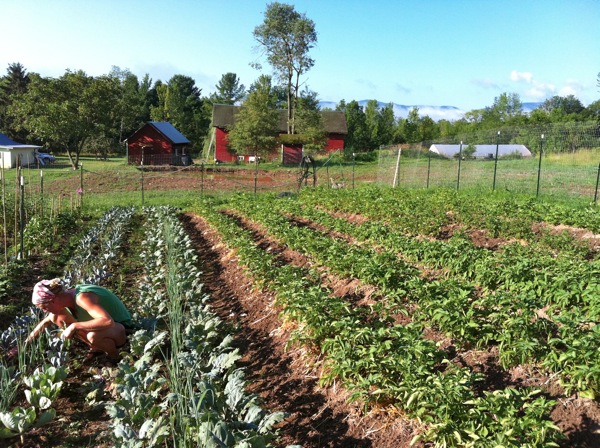
The summer of 2010 makes the summer of 2009 feel like a season we spent on another continent: the persistent rain, the never-ending chill in the air, the moldy vegetables and blighted tomatoes of last year have given way to cracking soil, vibrant vegetables, and early-ripening peppers. We’ve put away the muck boots and raincoats of last year and started gardening barefoot and dreaming of a pond to wallow in.

#alttext#

Our little flock of ducks would like a pond, too–they’ve outgrown the little koi pond they colonized as ducklings (and, incidentally, eaten most of the koi–who knew). But they’ve been plenty happy foraging for slugs and sleeping the hot afternoons away in the shade of cornstalks and potato plants.

#alttext##alttext##alttext##alttext##alttext##alttext##alttext#


Slugs, meet Ducks

June 14 2010

We have an unbearable problem with snails and slugs at the farm. Even when it’s dry, they’re a problem. When it’s rainy, as it has been the last week, they’re everywhere: they eat the lettuce, the kale, the cabbage; they climb up the stems of flowers, colonize the bottoms of rocks, and make walking through the grass an audibly crunchy experience.

snails

We’ve tried several techniques for minimizing their destructiveness, from hand-picking them off of plants to trapping them in saucers of beer (Coors Light, if you must know). But this year, as the garden expands and the costs of pouring beer into the ground go up, we’ve decided to take a new tack. Meet our two Cayuga ducklings, Pate & Toast:

ducks500px

Ducks are famous and voracious slug eaters–or so we hear, and so we hope. So far these critters have pretty much hung out in their little duck palace and wait for us to throw them cups full of slugs. We’re giving them a few days to adjust to their new work schedule, but if they’re not out following slime trails for their supper soon….


Mayflowers

May 17 2010

After a late blast of cold that covered the fields in frost 3 days in a row, the weather seems ready to acknowledge what the calendar has been saying for weeks: spring has arrived in Oak Hill. It’s felt like spring in Brooklyn for a month, but Oak Hill lags behind, and up there the lilacs are just wrapping up their blooms; the paperwhites are just coming up; and the gardens are yielding their first baskets of lettuce.

speckles

Krissy has been living at the farm since January, and has been blocking soil and getting seedlings going ever since. She’s done amazing work, and has hundreds of plants waiting for the last chance of frost to pass before she drops them in the well-tilled earth. Garlic we planted last fall is up and growing strong.

seedlings
garlic

hardneck garlic

more seedlings
tools

We’ve been trying to close the loop between the restaurant and the farm by composting some of our scraps at egg and bringing them up to feed the garden. We’ve also gotten manure from our dairy purveyor, Ronnybrook, and cocoa hulls from our neighbors on North 3rd Street, the Mast Brothers.

compost
fieldstones

Every few square yards of Catskills soil yields about 50 pounds of rocks.

Krissy & compost
compost sifter

Compost sifter: after the compost has cured for a year or so, Krissy runs it through a mesh screen to get any un-composted bits out of it.

compost tea

Compost tea

Our livestock at the moment consists of one dog and one cat. But we’ve built a home for ducks we hope to get in a couple of weeks, and we’re looking for some guineas to clatter around the place eating pests and looking funny.

lord of the realm
barns & hutch


April

April 05 2010

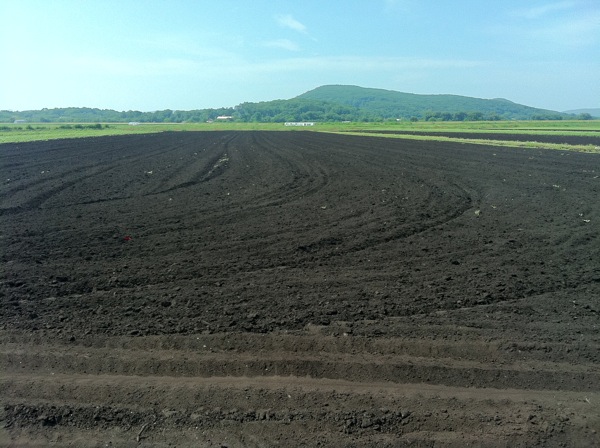
It’s the mud season. The snow is gone, the creeks are engorged, and the grass is easing into green even as it seems to float above a sheet of water like an idle air hockey puck. It’s hard to find any patch of workable soil, but we’ve tilled what we can and are mucking around in the rest trying to find something productive to do with it: drain it, mostly.

The next few weeks will be busy. We need to harden off seedlings that have been growing in spa-like conditions indoors; we need to clear and till up a new half-acre of field for planting squashes and melons; we need to set up a new greenhouse to get our tomatoes roaring along; and we need to build a duck hutch. Ducks will be our first venture in animal husbandry, discounting the dog and cat. We love ducks, and ducks love to eat the pest we hate the most: slugs.

Fall-planted garlic coming up now!

Hard-neck garlic, planted last fall

We’ve got a few cold-hardy things in the ground–peas, some lettuces, radishes–and the garlic we planted last year is coming up strong. It shouldn’t be long before we’re bringing down our first coolers of spring greens.


Snow, Really

March 06 2010

Inside, it’s sprouts of red winter kale, giant Fordhook chard, celery, leeks and a handful of onions.

IMG_1290

Outside, it’s 3 feet of hard-packed snow. It’s solid enough we can walk on top of it, giving us a whole new vantage: we’re eye level with the windows in the upper story of the barn; we can walk over the tops of the fences; we can inspect trees that usually arch overhead by walking up to them and looking down.

IMG_1300IMG_1297IMG_1293

It’s sunny and warm today, so some of this snow will melt, but more of it will just compress, and when the temperatures drop to the low teens tonight, as they will, the snow will form an even harder cap over the ground. It’s hard to imagine what waits below it all: surely it’s just mud and rock and battered grass. But it feels like when it goes a tiny ice age will have passed and there’ll be little bones to dig up and artifacts of past cultures to collect.


Looking Up

March 03 2010

In January, when the last of our low tunnels collapsed under snow, when the turnips and carrots froze hard in the ground and the plastic that had sheltered them shredded in the icy wind, we finally accepted that winter had won and turned our attention from eking the last vegetables out of last year’s plantings to thinking about the summer to come. It’s hard to imagine that it’ll ever arrive. In spots where the wind has scoured away the snow, the grass is matted and bristly like an old brush, the ground hard as cement. The creek in town is a frozen ribbon, static except where the water has cut gashes in the ice, and even there the water looks thick and slow.

Nevertheless, we’ve been filling seed trays and setting them in warm spots in the kitchen and barn. We’re seeding them with plants that take a long time to wake up: celery & leeks, for instance, which would hibernate until August if they were allowed to do so. Next we’ll put in tomatoes and peppers, lettuces and kale. In a month or so, we’ll be setting up a new greenhouse and moving our young seedlings in there like settlers staking their claim against winter, making way for spring.


Winter Isn’t so Bad

January 15 2010

We thought we’d taken our last load of vegetables down to the restaurant before New Year’s: a huge pile of sweet, frost-bit kale and collards. We took a gamble with our late carrots, hoping we could get them to last one or two more days in the ground before the ground froze, because the longer they stayed in the sweeter they got. We lost that bet: the carrots are still in the ground, their shoulders frozen hard against a crust of dirt. They’re as fixed in place as pilings in cement, and it’s a minor heartbreak to know we’ll never get to eat them.

But yesterday Krissy pulled back the brittle row cover that still flaps over the turnips and found a surprise: the freeze had heaved a couple dozen turnips the size of goose eggs up to the surface. They’re unblemished and delicious and will soon end up sliced and pickled on a plate at egg, giving us one last bite to tide us over until spring comes.

IMG_1135.JPG

To speed the arrival of spring, we’ve just taken delivery of a greenhouse frame for a tunnel almost exactly the size of the restaurant. So as soon as we can get a shovel in the dirt and bolt metal together without freezing off our opposable thumbs, we’ll have a little space to get a jump on summer and start our tomatoes and peppers early.


Snow

December 05 2009

IMG_1062

This winter’s first real snowfall began this morning. The first fat clusters of flakes showed no signs of sticking around, but after an hour or so they seemed to get serious, and now we’ve got half an inch of light powder covering the vegetables that lost their covers over the last week.

Mizuna

The plants that are still in the safety of their tunnels look great. Here are some turnips, which brighten the otherwise gray scene considerably:

IMG_1058

It looks for now like we’ll get one big harvest out of the tunnels before it’s all over, but the cool weather seems to mean that we can wait and gather that harvest just about whenever we want to. Nothing’s bolting, nothing’s going to seed: it’s all just sitting tight, growing little if at all, as though fall had hit the pause button on everything. Except for mud.


Now What?

November 29 2009

The night after Thanksgiving, we drove through snow coming back from visiting a farm near Windham. Then 60-mile-an-hour gusts tore the plastic sheeting from our low tunnels, again, and I spent an hour in sleet trying to get them well enough rearranged to keep our turnips and mache and carrots warm during the night’s freeze. The job of stretching taut 50 feet of plastic isn’t made any easier by the mud as slick as motor oil that’s welled up around every bed. It’s a lot of cold and dirty work keeping a small stand of hardy greens alive–with no greater purpose, it seems, than to see how long we can do it.

Here’s what we’ve nurtured through a month of ice and winds: lettuce (Parris Island Romaine, Speckles Butterhead, Wonder of Four Seasons), spinach, radishes (french breakfast and red beauties), sorrel, mache, white turnips, mizuna, cabbage, collards, Red Winter kale, carrots (carnival & chantenay), and arugula. It’s a great feeling to roll back a row cover crackling with frost and find a row of tender greens growing as though it were April in the Smokies rather than Thanksgiving in the Catskills, but I’m beginning to think that it’s that feeling, rather than the produce, that we’re cultivating–and that maybe it’s time to harvest it. It takes a lot of time and energy to keep these beds going. That’s time and energy we could be using to set up for spring.

At some point, I guess, we’re going to have to admit that we’re not yet Eliot Coleman, and that this year is over. There’s lots to do and plan for next year. We’ve already put in hard-neck garlic to overwinter, and some of our beds are dormant under a thick layer of straw and grass clippings. There are seeds to order and produce boxes to build and rotations to plan and a new field to start preparing.

Krissy, who keeps these gardens going, will be attending the Young Farmer’s Conference at Stone Barns Center this week–keep an eye out for her if you happen to be attending.


Cold Weather

November 06 2009

We’re having the best streak of growing we’ve had all year, even with night-time temperatures dropping well below freezing and cold winds shredding any bit of row cover we leave unsecured. Most of the trees around the farm have dropped their last leaves, but inside our tunnels the mizuna and peas and broccoli rabe seem to think they’re on spring break, growing wild and easy with virtually no pests around to hold them back.

redoak

We brought a sizable load of our covered crops down for the benefit dinner we held in early November to raise money for the Automotive High School–radicchio, half a dozen lettuces, baby turnip greens, collards, and carrots. We’d thought that event might be the garden’s last hurrah, but even after picking heavily for that dinner we have a lot left, and it’s still going strong. We’ll be bringing things back for at least a few more weeks at least.

Carrots grown almost entirely under cover